How to Build a Career in Holistic Healing: A Realistic Roadmap
A practical, honest roadmap for building a career in holistic healing: choosing a modality, study and practice hours, accreditation, ethics, pricing and timelines.
By Dr. S. Pujah
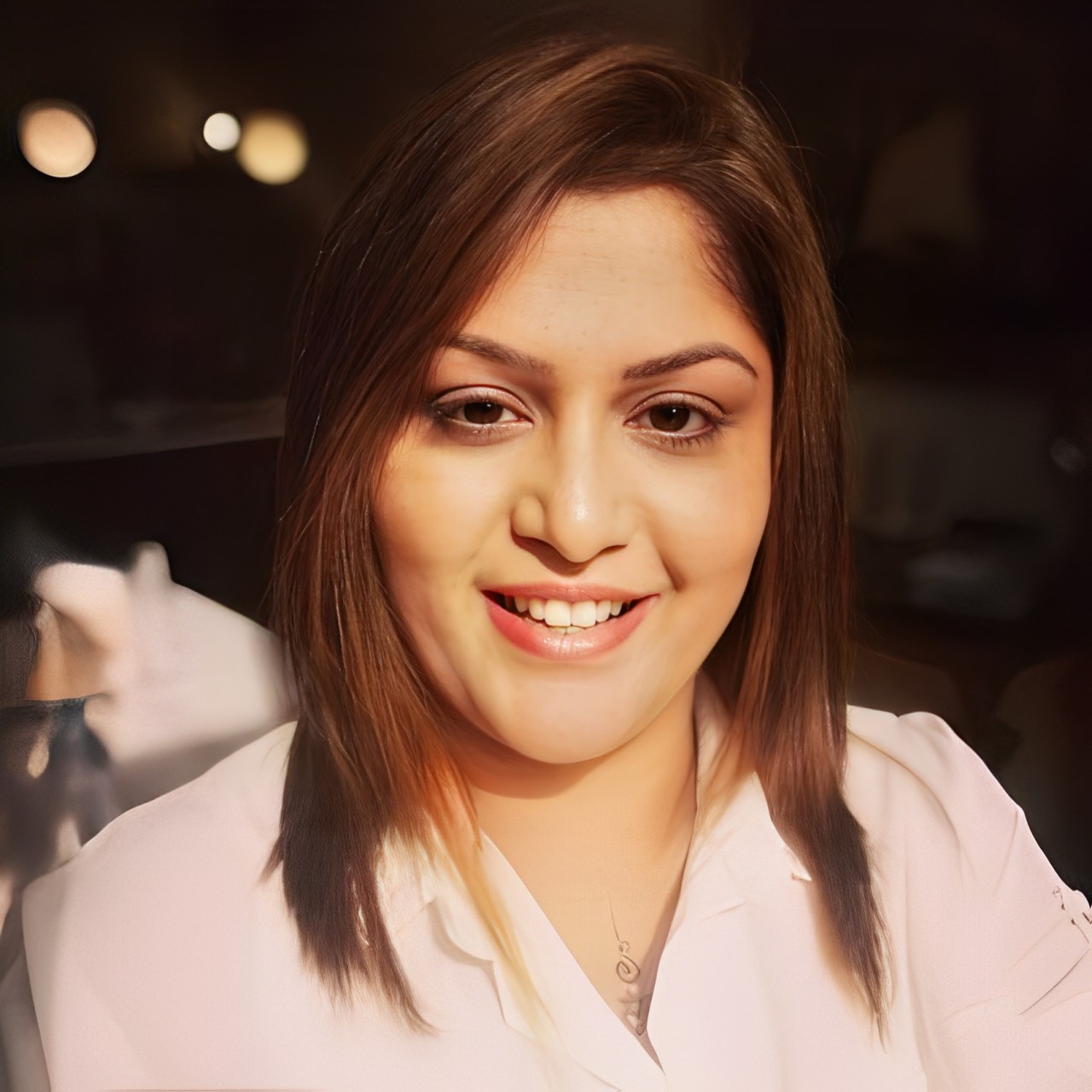
A career in healing is built step by step. Choose one modality, study it properly, log supervised practice hours, gain recognised accreditation, work within clear ethical boundaries, and grow your client base slowly. Most people need one to three years to build a steady practice, often alongside other work. There are no shortcuts, but there is a clear path.
I have walked this path myself, and I have watched many students walk it too. The people who build lasting practices are rarely the ones in the biggest hurry. They are the ones who stay curious, keep their promises small and honest, and keep showing up. Here is the roadmap I wish someone had handed me at the start.
Start With One Modality, Not Five
When you first fall in love with holistic work, everything looks exciting. Vastu, numerology, astrology, chakras, essential oils: you want to learn them all at once. I understand that pull. But spreading yourself thin early makes it harder to build real skill and real confidence.
Ask yourself three questions:
- What genuinely fascinates me? You will study this for years, so choose something you would read about on a free evening.
- What suits my temperament? Numerology and Vedic astrology reward people who enjoy patterns and detail. Vastu and Geo-7 suit those who like working with spaces and homes. Chakra and aroma-based wellbeing work suits people who enjoy one-to-one, hands-on sessions.
- Who do I want to serve? Homeowners, families, small business owners, people seeking calm and balance? Your audience shapes your choice.
Pick one primary modality. You can add a complementary one later, once your foundation is solid.
Structured Study and Practice Hours
Reading articles and watching videos can spark interest, but it is not training. A proper course gives you a sequence: foundations first, then technique, then application, with assessments that show you what you have actually understood.
Alongside study, plan your practice hours from day one. A simple weekly rhythm works well for most of my students:
- Three to five hours of focused study.
- Two to three hours of practice, such as charts, space readings or sessions with willing volunteers.
- One hour of reflection, where you write down what went well, what confused you, and what you want to ask your teacher.
Keep a practice log. Record the date, what you did, what you observed and what you learned. This log becomes evidence of your growth, and it is often useful when you apply for accreditation or professional insurance.
Accreditation: What IPHM Means in Plain Terms
Our courses are accredited by the IPHM, the International Practitioners of Holistic Medicine. In plain terms, this means an independent organisation has reviewed the course content and structure and found it meets its standards for holistic training.
Here is what accreditation can do for you. It shows clients and peers that your training came from a reviewed course, not an informal source. It can make it easier to join professional bodies and, in some countries, to arrange practitioner insurance. It also gives you a sense of structure and credibility as you begin.
Here is what it does not do. It is not a government licence. It does not make you a medical professional, and it does not override the laws of your own country. Rules for holistic practitioners vary widely around the world, so please check what applies where you live and work.
Building Practice Cases Ethically
Every new practitioner needs real experience before charging full fees. The ethical way to gain it is through practice cases with informed, willing volunteers.
- Be transparent. Tell volunteers you are in training and that the session is part of your learning.
- Get consent in writing. A short form explaining what the session involves and what it does not is enough.
- Protect privacy. Remove names and identifying details from your notes and case studies.
- Ask for honest feedback. Use it to improve, not to collect praise for marketing.
- Know when to pause. If someone is going through something serious, gently suggest they speak to a qualified professional.
Friends and family are a good start, but try to include people you do not know well. Their feedback is usually more honest.
Scope of Practice and Healthy Boundaries
This is the part I care about most. As a wellbeing practitioner, you support balance, reflection and a sense of harmony in people's lives and spaces. You do not diagnose illness, and you never replace medical care.
In practice, this means:
- Never suggest a client stop or change anything their doctor has advised.
- Avoid language that promises outcomes. Speak about support, insight and wellbeing, not results.
- If a client mentions physical or emotional health concerns, encourage them to see a qualified medical professional.
- Keep emotional boundaries too. Caring deeply does not mean being available at all hours.
Clear boundaries protect your clients, protect you, and protect the reputation of holistic work as a whole. They are a sign of professionalism, not a limitation.
Pricing and Finding Your First Clients
Pricing is personal and depends on your location, your experience and the format of your work. Start by looking at what established practitioners in your area or niche charge, then set an introductory rate that reflects that you are new while still valuing your time.
A few practical tips:
- Offer a small number of clearly defined services rather than a long menu.
- Publish your prices so people know what to expect.
- Raise rates gradually as your skills and confidence grow.
Your first paying clients usually come from people who already know you: past volunteers, your community, local groups and word of mouth. Share useful, honest content about your modality online. Give a free talk at a community centre. Partner with complementary professionals, such as interior designers for Vastu or yoga teachers for chakra work. Growth is usually slow at first, and that is normal.
Continuing Education Keeps You Growing
Certification is a beginning, not an ending. The practitioners I respect most never stop learning. They revisit the classics, attend workshops, seek mentoring and learn from their own cases.
Continuing education also lets you add a complementary modality in a thoughtful way. Someone who starts with numerology might later add Vedic astrology. A Vastu practitioner might add Geo-7 or Bio-7 to deepen their work with spaces. Each addition should strengthen your core offer, not distract from it.
Set aside time and a modest budget each year for learning. Many professional bodies also expect members to show ongoing development.
A Realistic Timeline for a Career in Healing
I want to be honest with you here. There is no guaranteed income in this field, and anyone who promises one is not being truthful. What I can share is a typical shape of the journey:
- Months 1 to 6: Foundational study and early practice with volunteers.
- Months 6 to 12: Completing certification, building your practice log, and taking your first small paid sessions.
- Years 1 to 3: Developing your reputation, refining your services, and growing through referrals.
Many practitioners keep another job during these early years, and that is a wise choice, not a failure. It takes pressure off your practice and lets you grow at a pace that keeps your work ethical and grounded.
If you feel ready to begin, the most useful thing you can do today is choose your first modality and commit to structured learning. You can explore our IPHM-accredited holistic courses to compare Vastu, Geo-7, numerology, Vedic astrology, Bio-7, chakra and aroma-based programmes, and find the one that fits you best. Take your time, choose with care, and I look forward to supporting your learning.
Questions people ask
How long does it take to build a career in holistic healing?
Most people spend six to twelve months on foundational study, certification and supervised practice, then one to three years building a steady client base. Many keep other work during this time. Progress depends on your modality, the hours you can give, and your local community. There is no guaranteed timeline or income, so plan for gradual, steady growth.
What does IPHM accreditation mean for my training?
IPHM accreditation means an independent organisation has reviewed a course and found it meets its standards for holistic training. It adds credibility and can help when joining professional bodies or arranging practitioner insurance in some countries. It is not a government licence and does not make you a medical professional, so always check the rules where you practise.
Can a holistic wellbeing practitioner work with clients who have health concerns?
You can offer wellbeing support, but you must stay within your scope of practice. Holistic practitioners do not diagnose conditions or replace medical care, and should never suggest changing anything a doctor has advised. If a client raises a health concern, kindly encourage them to speak with a qualified medical professional, and keep your own language focused on balance and wellbeing.
Study this properly